How to Read a Coffee Bag Label
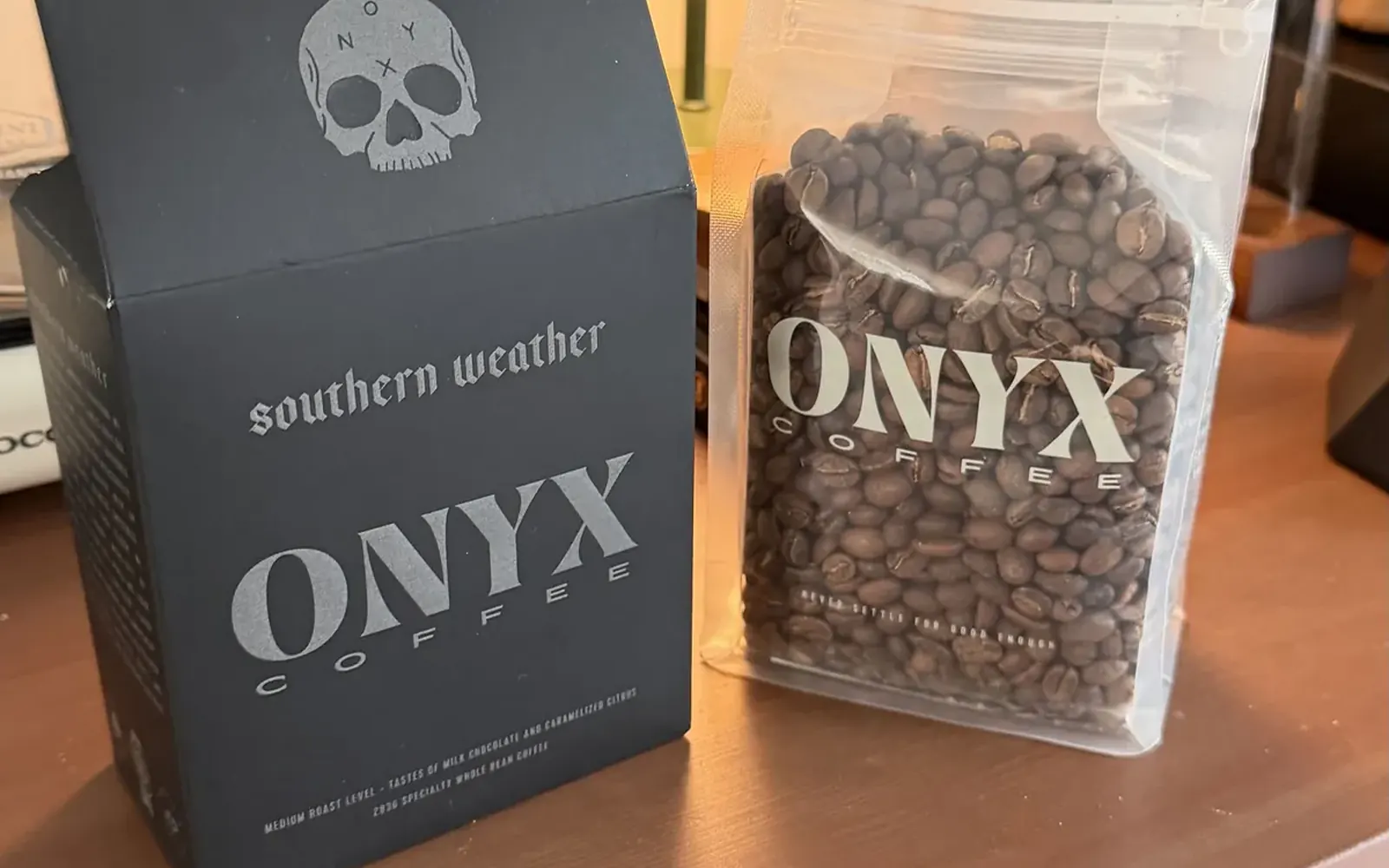
The coffee was listed as a light roast. The person who rated it on Siip did not agree. "Definitely not a light roast," they wrote. "A little bit on the darker side. Tasting notes are not there."
A coffee label can carry ten pieces of information, from the country and the farm to the altitude and a list of flavors, and not all of it means what you would expect. The good news is that two of those things tell you most of what you need to know: the roast level and where the coffee was grown.
Here is what each part of the label means, in the order that matters for taste.
The two that matter most
Roast level
Light, medium or dark. It tells you how far the coffee was roasted, and it changes the cup more than anything else on the label.
- Light: fruity, floral, brighter.
- Medium: rounder and sweeter, caramel and nuts.
- Dark: dark chocolate, toast and smoke, heavier and more bitter.
In Siip ratings, light roasts are loved most often: 43% of the time, compared with 33% for medium. Roast names aren't standardized, though. One roaster's medium can be darker than another's, as the rater at the top of this page found out.
Origin
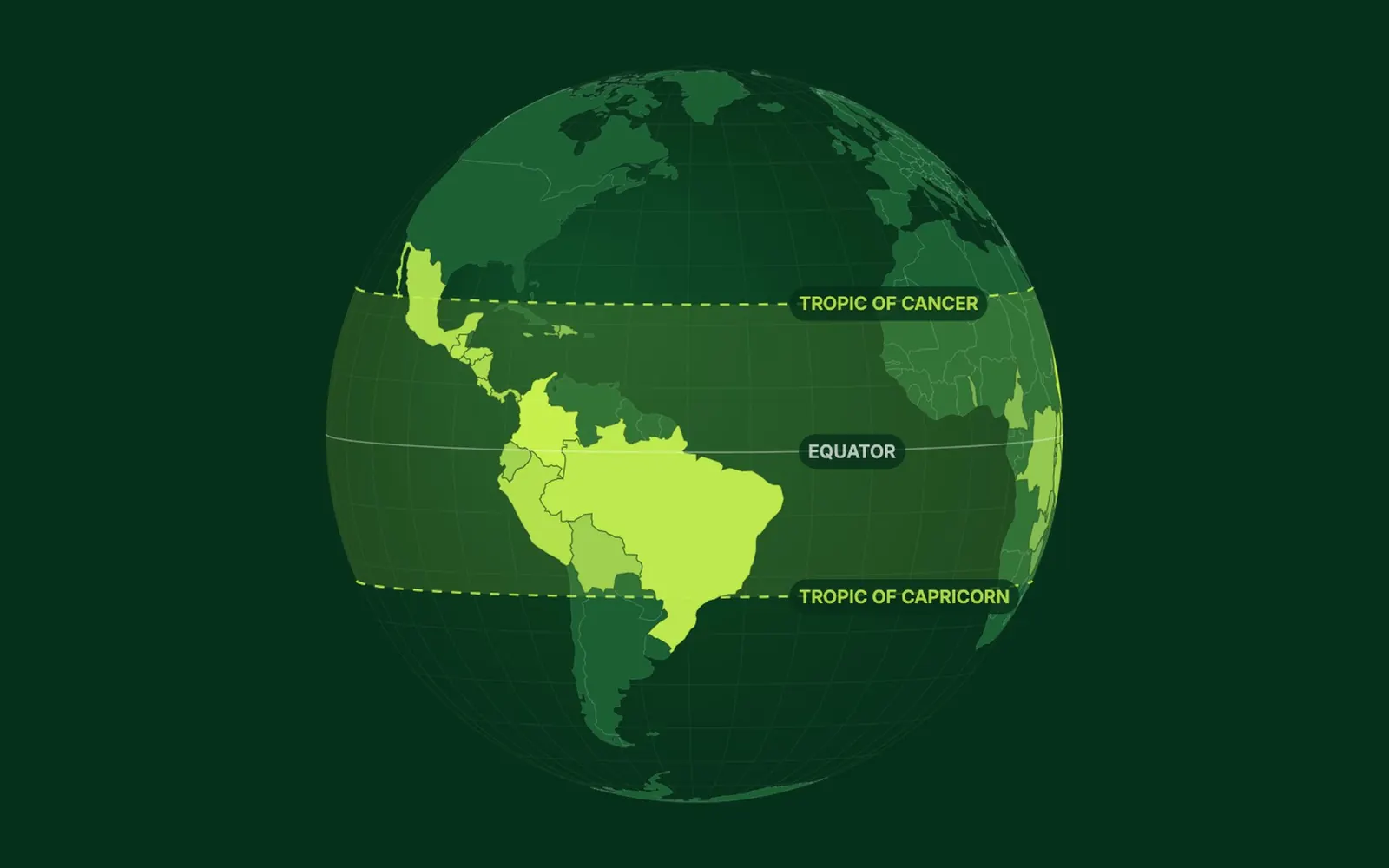
The country, and often the region and farm, where the coffee grew.
Origin gives you a likely style. Colombian coffee tends to be balanced. Kenyan coffee tends to be bright and berry-like. Brazilian coffee tends to be nutty and low in acidity. In Siip ratings the difference is large: Colombian coffee is loved 43% of the time, Brazilian 28%.
A bag that names one country or farm is a single origin. A blend mixes coffees from several places, usually so it tastes the same all year.
The ones that fine-tune it
Process
How the fruit was removed from the bean after picking.
- Washed: the fruit is removed before drying. Cleaner, brighter cup.
- Natural: the bean dries inside the fruit. Fruitier, sweeter, heavier.
- Honey: in between. Some fruit is left on while drying.
- Anaerobic and other experimental processes: fermented in sealed tanks. Often intense and unusual.
There's more in our guide to processing.
Tasting notes
"Blueberry, jasmine, milk chocolate." These are comparisons, not ingredients. Nothing has been added. The roaster is describing what the coffee reminds them of.
Don't worry if you can't taste them. Use them as a direction: fruit and flower words mean a brighter cup, chocolate and nut words a mellower one.
And when the notes do land, people say so:
"Definitely taste the notes of date and caramel"
A Siip rater, on a medium-dark Colombian coffee they loved
Variety
The type of coffee plant, like a grape variety in wine. Bourbon, Caturra, Typica, Gesha, SL28. Most of the time it matters less than origin and roast. Gesha is the famous exception, known for floral, tea-like cups and high prices.
Altitude
Shown in meters above sea level, often as "masl." Higher-grown coffee ripens more slowly and tends to be brighter and more complex. Above 1,500 meters (about 4,900 feet)1,500 meters is high.
The ones about freshness and trust
Roast date
When the coffee was roasted. It's at its best from two to three weeks after that date and stays good for about four months sealed. A bag with only a best-by date doesn't tell you how old it is.
Farmer or farm
The people who grew the coffee. A named farm or cooperative means the roaster can trace the coffee back to where it was grown.
It won't change how the coffee tastes, but it matters a great deal to us. We think a farmer's name should be as easy to recognize as a roaster's, and many of our roaster partners have worked with the same farmers for years, sometimes decades.
Certifications
Organic, Fair Trade, Rainforest Alliance and others. Each has its own rules about how the coffee was grown or bought. They tell you about farming and trade, not about flavor.
A shortcut
When you're standing at the shelf, read two things first: the roast level and the country. If both match coffees you've liked before, the rest is detail.
What the label can't tell you
A label describes the coffee. It can't tell you whether you'll like it. Two people can read the same bag, agree on every word, and rate it differently.
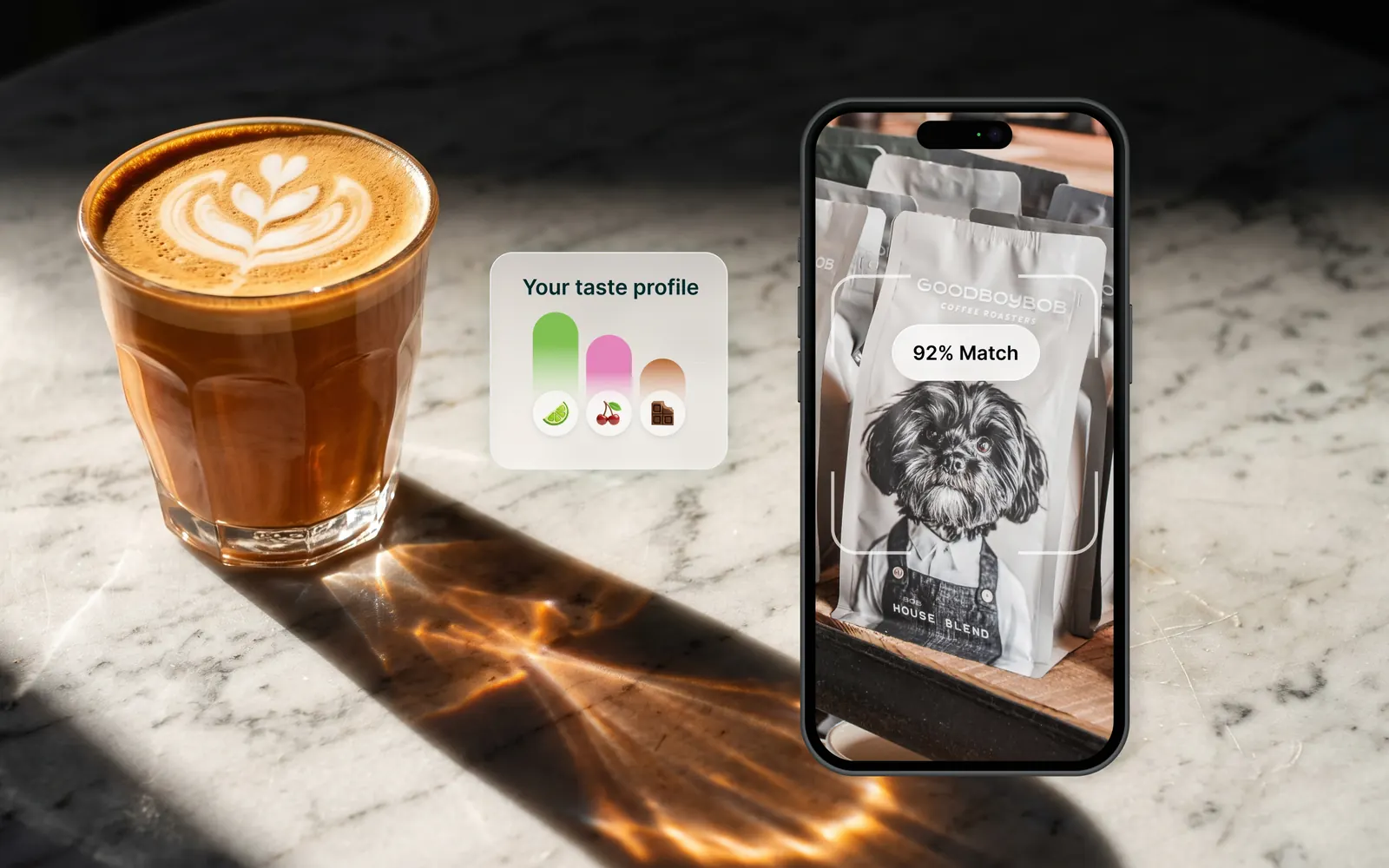
That's the gap the Siip app fills. Scan the bag and it shows the origin, roast and flavor notes in one place, with a match score based on the coffees you've rated. If you'd rather have us choose, the same ratings shape a Siip subscription. When subscribers rated the coffees we sent them in their subscription boxes, they liked or loved 86% of the coffees in their fourth box. Across all coffees rated in the Siip app, that share is 76%.
Where the roaster shares it, the app also shows the farm and the people who grew the coffee.
Frequently Asked Questions
What is the most important thing on a coffee label?
What do the tasting notes on a coffee bag mean?
What does single origin mean?
What does washed mean on a coffee bag?
What does masl mean on coffee?
Based on ratings in the Siip app between June 1 and October 10, 2026. People chose these coffees themselves, so this is not a blind tasting. Subscription box ratings are from Siip subscribers between April 22 and October 4, 2026. The quotes are notes raters added to their ratings, shown as written.