Colombian Coffee: What It Tastes Like and Why People Love It
One Siip rater called a Colombian coffee "literally my go to for several months." Another wrote, "One of the best coffees I've ever had," and then added that they could not drink it every day.
Both were writing about coffee from the same country, and that range is a good way to understand Colombia. It is the origin people on Siip rate most often and one of the origins they love most, because there is something in it for almost every taste.
If you are choosing a first single-origin coffee, Colombian is the safest place to start. Here is what it tastes like, why it tastes that way and how to pick a good bag.
What Colombian coffee tastes like
Colombian coffee tends to sit in the middle of everything, in a good way.
In Siip's catalog, the typical notes for Colombia are fruit, chocolate, sweetness and citrus. Its body and acidity both score medium-high. That means enough brightness to keep things interesting and enough weight to feel like coffee.
Compare that with two other well-known origins on the coffee belt. Brazilian coffee tends to be heavier and softer, with nuts and chocolate. Kenyan coffee tends to be brighter and more berry-like. Colombia has a little of both.
Why it tastes that way
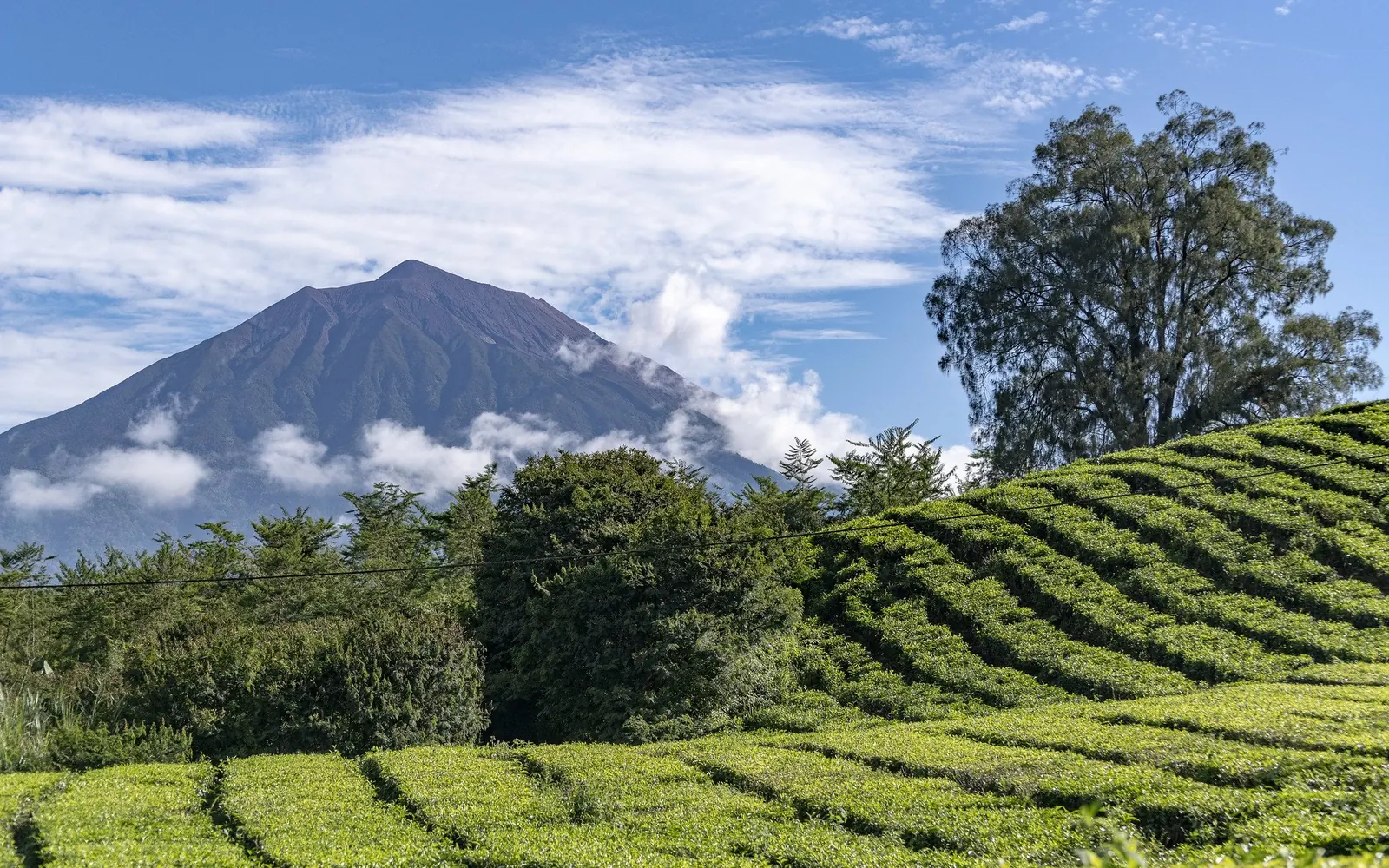
Colombia grows arabica, the species behind most specialty coffee, and it grows it high. The Andes split into three mountain ranges as they cross the country, and coffee is planted on their slopes.
Height matters. Cooler nights slow the coffee cherry down as it ripens, which usually means more sweetness and brightness in the cup.
Most Colombian coffee is washed, which means the fruit is removed before the bean is dried. Washed coffees tend to taste cleaner and brighter. You can read more in our guide to processing.
How people rate it
Colombia has about 3 in every 10 ratings on Siip, more than twice as many as any other origin. Popular coffees aren't always loved coffees. This one is both.
| Colombia | All origins | |
|---|---|---|
| Loved it | 43% | 36% |
| Liked or loved | 82% | 76% |
It also holds up at every roast level.
| Roast | Loved it |
|---|---|
| Light and light-medium | 47% |
| Medium | 38% |
| Medium-dark and dark | 43% |
Popular, loved, and still not for everyone
Three in four people who rated two or more Colombian coffees loved at least one of them. That's a high bar for any origin.
It still isn't everyone's favorite. Among people who rated at least two coffees from each of three or more countries, Colombia came out on top for 30%. For the other 70%, a different country did, most often Ethiopia.
Part of the reason is range. "Colombian" covers a classic, chocolatey everyday cup and coffees that taste nothing like it. The two raters at the top of this page were describing a dark roast they drank for months and a coffee with "very intense strawberry." A third loved a medium roast for a different reason again:
"The apple notes hit up front, followed by the cocoa body! Love this!"
A Siip rater, on a medium roast
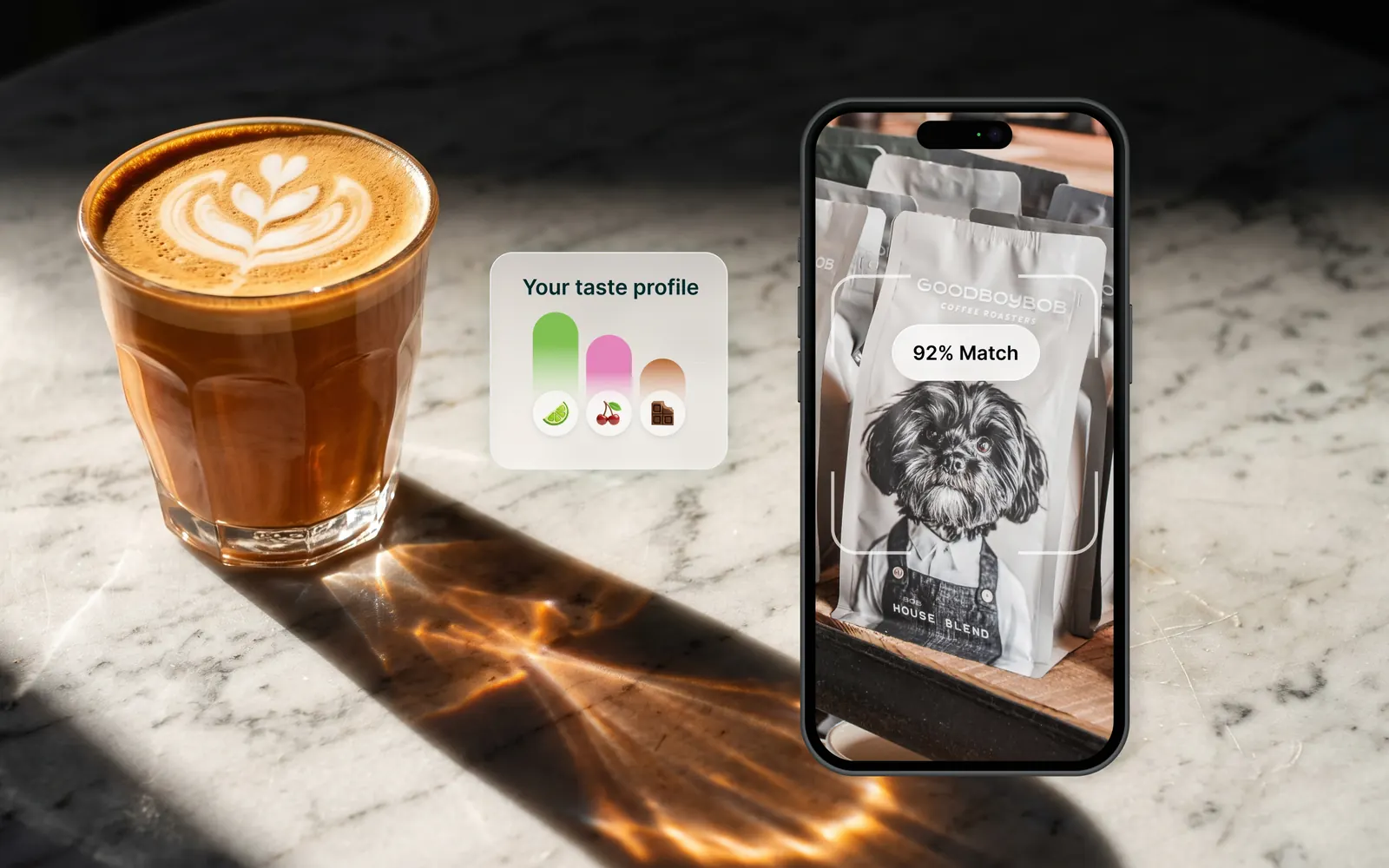
Three different coffees, three different people, one country. The country on the bag only gets you so far, which is why the Siip app scores each coffee for you, not for the country. Rate a few, and every Colombian bag you scan gets its own match score.
Is Colombian coffee arabica?
Yes. "Colombian" tells you where a coffee grew, and arabica is the species, so a bag of Colombian coffee is almost always arabica. Robusta, the other main species, is still being researched in Colombia and isn't grown there at scale.
So "arabica vs. Colombian coffee" isn't a choice between two things. The more useful question is which Colombian coffee: the region, the roast and the roaster tell you far more.
Colombian coffee brands to know
- Juan Valdez. The brand of Colombia's coffee growers' federation, sold in supermarkets and in its own cafes. A reliable, mainstream Colombian coffee.
- Sello Rojo and Águila Roja. Household names in Colombia itself, and easy to find in the Latin American aisle of many US supermarkets.
- Specialty roasters. They buy Colombian coffee from named farms and regions, and the bag tells you which. Several Siip roaster partners do, such as George Howell's Jardines del Edén from Quindío and Equator's Tierra Querida.
Roasters change their Colombian coffees through the year, so look at the region and the roast on the bag, not only the brand. And when a bag names the farm, you know who grew what you're drinking.
How to choose a bag
- Roast: start with light or light-medium. If you like a fuller cup, go medium-dark before medium.
- Region: the bag will often name one. Huila and Nariño in the south are known for brighter, fruitier coffees. Regions further north tend to be rounder and nuttier.
- Process: washed is the classic. A natural or honey-processed Colombian coffee will be fruitier and sweeter.
- Roast date: look for one. Coffee is at its best from about two weeks after roasting.
Then rate it. Colombia is the most-rated origin on Siip, but it's the favorite of 3 in 10 people. Your own ratings will tell you whether you're one of them.
Frequently Asked Questions
Is Colombian coffee arabica?
What are good Colombian coffee brands?
What does Colombian coffee taste like?
Is Colombian coffee good?
What roast is best for Colombian coffee?
Is Colombian coffee strong?
Based on ratings in the Siip app between June 1 and October 10, 2026. People chose these coffees themselves, so this is not a blind tasting. Taste notes, body and acidity are the typical values for Colombia in Siip's catalog. A favorite country is the one a person rates highest on average, among people who rated at least two coffees from each of three or more countries. The quotes are notes raters added to their ratings, shown as written.