Cold Brew vs. Iced Coffee: What's the Difference?
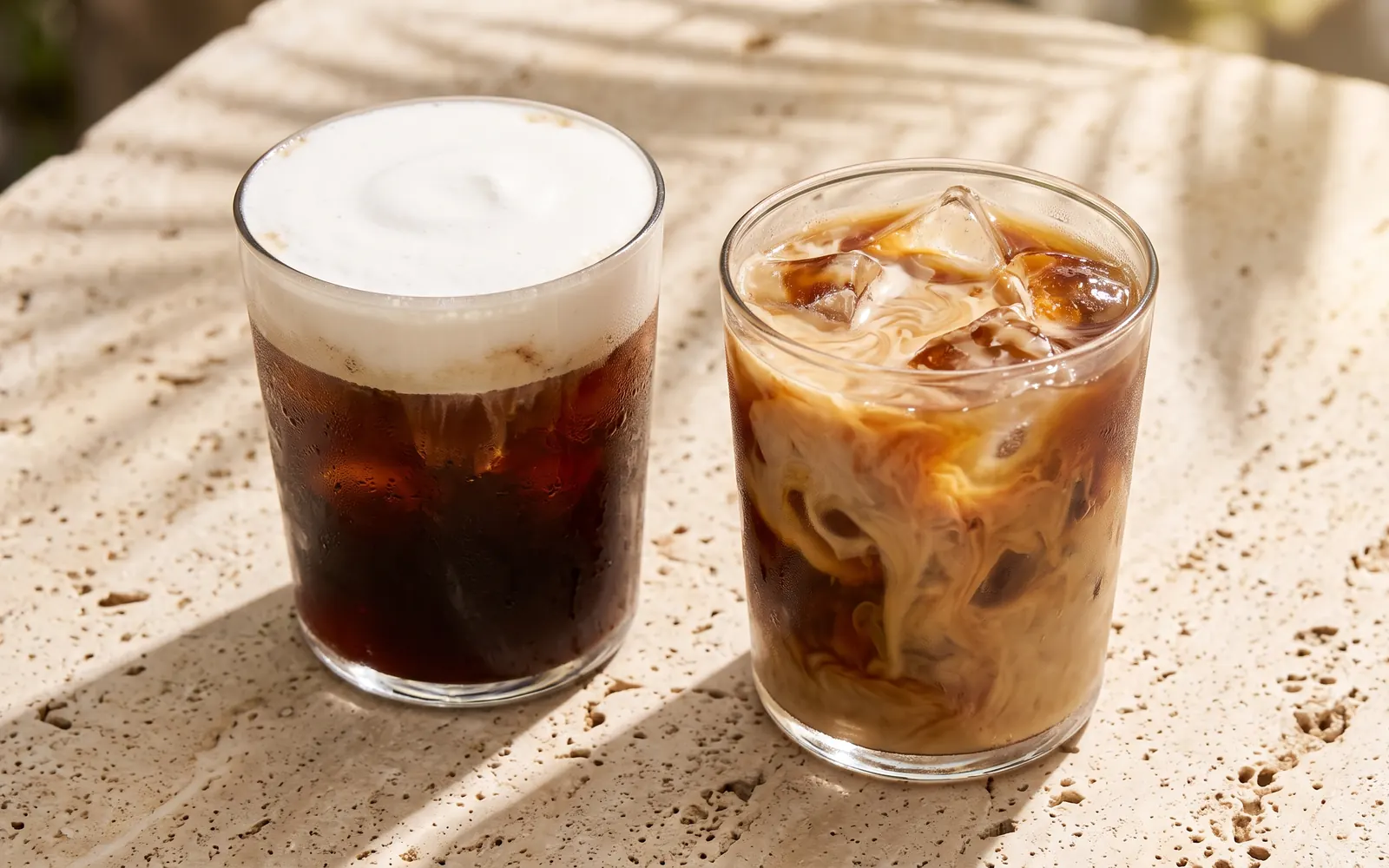
One Siip rater made cold brew from a coffee they loved and wrote that "it tastes like peach iced tea." Another brewed a light roast over ice and tasted "pink lemonade with slight berry aftertaste."
Both were drinking cold coffee, but their drinks were made in opposite ways. Iced coffee is brewed hot and then cooled or poured over ice, which takes minutes. Cold brew is ground coffee steeped in cold water for 12 hours or more, and it never meets hot water at all. That one difference changes the taste, the time it takes and which beans work best.
Iced coffee and cold brew, side by side
| Iced coffee | Cold brew | |
|---|---|---|
| Brewed with | Hot water | Cold water |
| Takes | A few minutes | 12 to 18 hours |
| Tastes | Brighter, more aromatic | Smoother, heavier, sweeter |
| Acidity | More | Less |
| Best beans | Light and medium roasts | Medium and dark roasts |
| Keeps | Drink it the same day | About a week in the fridge |
Why they taste different
Hot water pulls flavor out of coffee quickly, including the bright, fruity acids and the aromas that give a coffee its smell.
Cold water works slowly and leaves much of that behind. What you get is the deeper, sweeter side of the coffee: chocolate, caramel and nut flavors, with a heavier, almost syrupy feel and little sharpness.
Neither is better. If you love the fruit in a light roast, cold brew will mute it. If acidity bothers you, cold brew will taste smooth where iced coffee tastes sharp.
How to make iced coffee that isn't watery
The usual mistake is brewing a normal cup and pouring it over ice. The ice melts and you're left with weak coffee.
The fix is to brew hot coffee straight onto the ice, using less water to make up for the melt. This is often called flash brew or Japanese iced coffee.
- Put 120 g of ice in your server or cup.
- Brew 20 g of coffee with 200 g of hot water directly over the ice, as a pour-over or in a drip machine.
- Swirl until the ice has mostly melted. Pour over fresh ice.
The coffee chills in seconds, which keeps its aroma, and the melted ice brings it to normal strength.
How to make cold brew
- Grind 100 g of coffee coarse, like breadcrumbs.
- Add 800 g of cold water. Stir so all the grounds are wet.
- Cover and leave it in the fridge for 12 to 18 hours.
- Strain through a paper filter or a fine sieve.
- This is a concentrate. Mix it about half and half with water or milk.
Making a bigger or smaller batch? Our cold brew ratio calculator works out the coffee and water.
Which coffee to use
For iced coffee: the same coffees you enjoy hot. Flash brew is the best way to drink a fruity light roast cold, because it keeps what makes that coffee special.
For cold brew: medium and dark roasts, and coffees with chocolate and nut notes. Brazilian and Indonesian coffees suit it well. A delicate light roast usually comes out flat as cold brew.
With milk: either method works. Choose a medium or medium-dark roast, because those flavors carry through milk.
There's more in our guide to the best coffee for iced coffee.
What Siip raters say about their cold coffee
Siip ratings don't record whether a coffee was drunk hot or cold. But when people rate a coffee in the app, many add a note, and some tell us exactly how they drank it.
Fruity coffees come up often as flash brew, or iced pour-over:
"Delicious as iced pour over. Mainly got the flavor of pink lemonade with slight berry aftertaste. Was sweet and delicate with some juice"
A Siip rater, on a light-roast Colombian coffee
The classic cold brew advice holds up too:
"Cold brew perfect."
A Siip rater, on a medium-roast Brazilian coffee they loved
And then there are the exceptions, which is why we'd call the rules above a starting point and not the last word:
"Prepared as a cold brew, it tastes like peach iced tea"
A Siip rater, on a coffee they loved
If you drink coffee both ways, do what these raters did. Rate the coffee in the Siip app and add a line about how you brewed it. The note is saved with your rating, so next summer you'll know which bags to save for ice.
Which has more caffeine?
It depends on the recipe, not the method. Cold brew is made as a concentrate with a lot of coffee, then diluted. How strong your glass is comes down to how much you dilute it.
Frequently Asked Questions
What is the difference between iced coffee and cold brew?
Does cold brew taste different from iced coffee?
Can I use any coffee for cold brew?
How long does cold brew last?
What is the best way to drink a fruity light roast cold?
Why is my iced coffee watery?
The quotes are notes Siip raters added to their ratings, shown as written and without names.